
The Smartest Path to an All‑Electric Home in Australia’s Energy Crisis
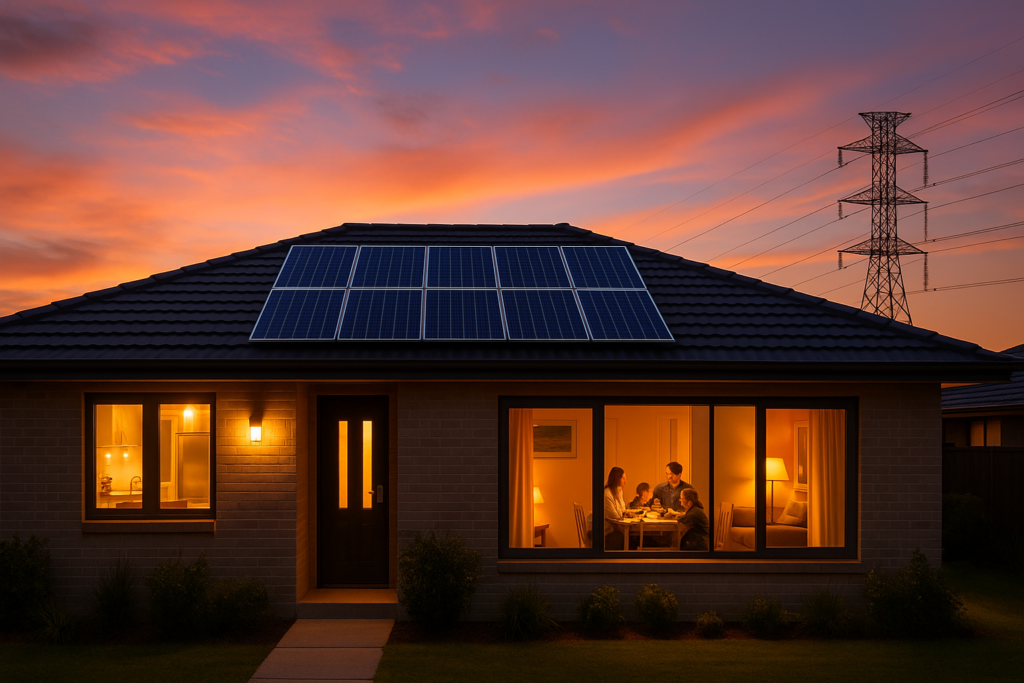
Australian households are feeling the squeeze. Fossil‑fuel prices keep climbing, gas bills are becoming unpredictable, and the pressure to future‑proof our homes has never been stronger. In this environment, electrification isn’t just a sustainability choice – it’s a financial strategy. But with so many technologies available, the real question is: What’s the most cost‑effective order to electrify your home? A clear pattern has emerged across thousands of Australian households, and the most budget‑friendly, future‑ready pathway looks like this: 1. Start With Solar: The Foundation of a Modern Home Solar is the single most impactful upgrade most Melbourne homes can make. Why it comes first: It immediately cuts your electricity bills It prepares your home for the extra demand of future electrification It sets you up to charge an EV at the lowest possible cost It reduces your exposure to volatile grid prices Solar is the engine that powers every other step. Without it, the cost of running an EV or battery‑supported home is significantly higher. 2. Add a Battery: Control Your Energy, Not the Grid Once solar is in place, a battery becomes the next logical investment. What it unlocks: Evening and night‑time energy independence The ability to store excess solar instead of exporting it for low feed‑in tariffs Partial overnight EV charging using your own stored energy Greater resilience during outages With a battery, your home becomes a mini‑power station and your solar system becomes dramatically more valuable. 3. Purchase an EV: Slash Transport Costs By the time you reach this step, your home is already optimised to support an electric vehicle. The benefits stack up quickly: Charge using your own solar or stored energy Reduce transport costs compared with petrol or diesel Maximise the value of your solar system by using more of what you generate Maximise the value of your solar system by using more of what you generate An EV becomes not just a cleaner choice, but a financially strategic one. 4. Install a Smart EV Charger: Make Every Kilowatt Count A smart charger is the final piece that ties your electrified home together. Why it matters: It prioritises solar energy for charging It helps you avoid expensive peak tariffs It protects your switchboard and wiring from overload It automates charging so you don’t have to think about it This step ensures your EV integrates seamlessly with your home’s energy ecosystem. Electrify With Intention, Not Guesswork For most Australian homes, the smartest and most cost‑effective sequence is: Solar → Battery → EV → Smart Charger This order maximises savings, reduces reliance on fossil fuels, and ensures your home is ready for the future – whatever the energy market throws at us next. But every home is different. Roof size, household energy use, budget, and future plans all influence the ideal setup. What works brilliantly for one family may not be the perfect fit for another. Why Choose UNIfied? At UNIfied Energy, we’re committed to making your electrification journey seamless. We help Australian households and businesses: Reduce energy bills Lower carbon emissions Confidently invest in clean energy living Contact UNIfied Energy today or call 1300 817 847 to achieve greater savings in these precarious times and start your journey of clean energy living.
Fortune Tofu

-
Solar PV Systems
- Wetherill Park, NSW
-
System Size
- 99.6kW
-
Annual Energy Savings
- $44,368
Older Solar Systems Falling Behind: Why Upgrading Your Solar in Australia Matters
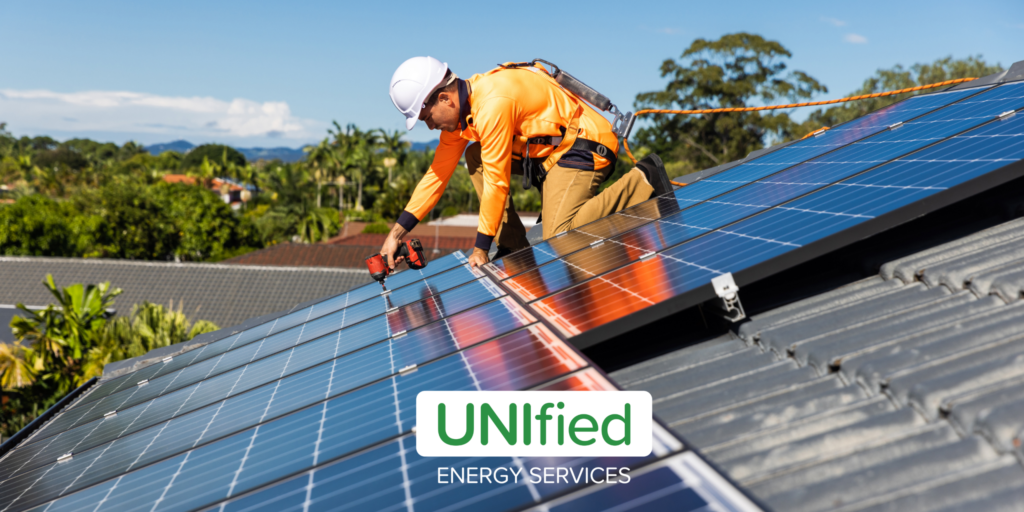
Thousands of Australian homes installed rooftop solar more than a decade ago but many of these older solar systems are now struggling to keep up with modern energy demands. If your solar system is 8–15 years old, it may no longer be performing efficiently. Changes in electricity usage, lower feed-in tariffs, and the rise of technologies like electric vehicles (EVs), solar batteries, and smart home devices mean older systems are quickly becoming outdated. Why Older Solar Systems Underperform Early solar installations were designed for smaller households with lower energy consumption. Today, energy use has increased significantly (especially in the evenings) making many older systems too small to meet demand. Ageing components are another major issue. Solar inverters typically last 8–12 years, and as they degrade, system performance drops. Older solar panels can also lose efficiency over time due to wear, heat exposure, and outdated technology. Additionally, many legacy systems lack modern safety features and may not meet current Australian standards, potentially creating compliance and insurance risks. Benefits of Upgrading Your Solar System Upgrading your solar system doesn’t always mean replacing everything. Targeted upgrades such as installing a new inverter, increasing system size, or adding battery compatibility can deliver significant benefits: Improved solar efficiency and energy output Lower electricity bills through increased self-consumption Reduced reliance on the grid and low feed-in tariffs Compatibility with solar batteries and EV chargers Enhanced safety and compliance with current standards When Should You Upgrade Your Solar System? You should consider a solar upgrade if: Your system is over 8 years old Your inverter is failing or outdated Your electricity bills are increasing You want to install a solar battery or EV charger Your system lacks monitoring or compliance documentation Future-Proof Your Solar Investment As Australia’s energy landscape continues to evolve, upgrading your solar system is becoming essential. A modernised system can help you maximise savings, improve performance, and prepare your home for future energy technologies. If your solar system is no longer delivering the results it once did, now may be the perfect time to upgrade and get more value from your investment. Why Choose UNIfied? At UNIfied Energy, we’re committed to making your electrification journey seamless. We help Australian households and businesses: Reduce energy bills Lower carbon emissions Confidently invest in clean energy living Contact UNIfied Energy today or call 1300 817 847 to achieve greater savings in these precarious times and start your journey of clean energy living.
Tony White Group
-
Solar PV Systems
- Wetherill Park, NSW
-
System Size
- 99.6kW
-
Annual Energy Savings
- $44,368
EV Interest Surges in Australia Amid Rising Fuel Prices
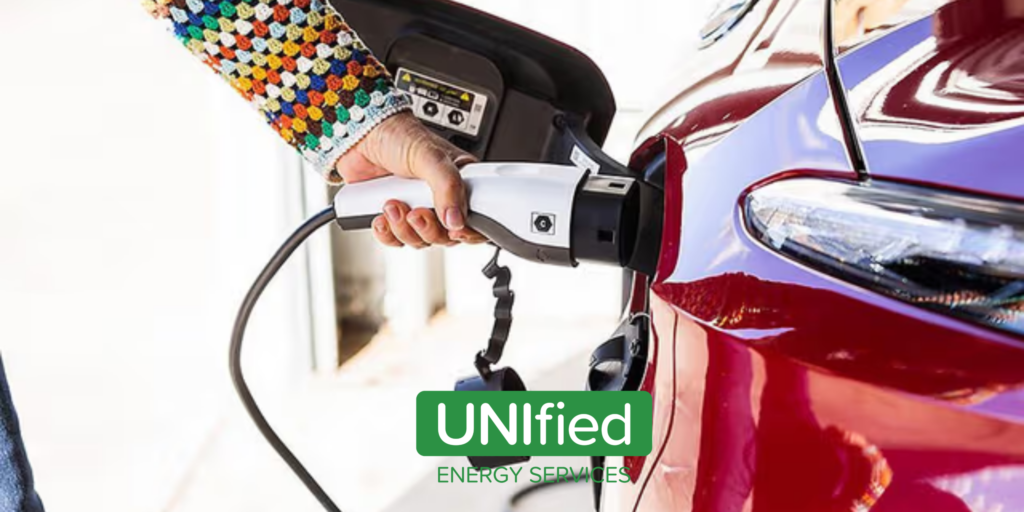
Electric vehicle (EV) interest in Australia is rapidly increasing as fuel prices continue to climb, pushing more drivers to explore cost-effective and sustainable alternatives. With petrol and diesel prices surging across the country, Australians are actively searching for ways to reduce their reliance on traditional fuel—driving a significant spike in EV research, financing, and purchases. Why Australians Are Turning to EVs Several factors are driving the surge in EV demand: Rising fuel prices across Australia Lower running costs compared to petrol vehicles Increased availability of affordable EV models Growing focus on sustainability From Interest to Action This growing interest is translating into real demand, with more Australians applying for EV finance and moving closer to purchase. Brands like Tesla, BYD, and Polestar are seeing increased attention as buyers explore their options. A Turning Point for EV Adoption As fuel prices continue to fluctuate, the demand for electric vehicles is expected to grow even further. Australians are increasingly prioritising affordability, sustainability, and energy independence making EVs a key part of the country’s transport future. Why Choose UNIfied? At UNIfied Energy, we’re committed to making your electrification journey seamless. We help Australian households and businesses: Reduce energy bills Lower carbon emissions Confidently invest in clean energy living Contact UNIfied Energy today or call 1300 817 847 to achieve greater savings in these precarious times and start your journey of clean energy living.
Camberwell, VIC
-
Solar PV Systems
- Wetherill Park, NSW
-
System Size
- 99.6kW
-
Annual Energy Savings
- $44,368
Australia’s Fuel Shock Is Accelerating the Shift to EVs, Solar and Home Batteries
With petrol prices in Australia climbing toward $2.50 per litre, the escalating conflict involving Iran, Israel and the US is exposing how fragile our fuel supply really is. This global instability is pushing Australians to rethink how they move, how they power their homes, and how they protect themselves from future price shocks. This fuel shock Is accelerating the shift to EVs, Solar and Home Batteries (Australia fuel prices to EV). A New Energy Shock Driving a New Response Just as the oil crises of the 1970s pushed the world toward smaller, more efficient cars. Today’s geopolitical tensions are accelerating Australia’s shift toward electric vehicles (EVs). Analysts warn that if the conflict intensifies, fuel prices could remain at record highs for months, hitting families, commuters and businesses hard. EVs offer a way out of this cycle. Unlike petrol, electricity can be generated locally, increasingly from renewable sources that aren’t tied to global conflict or international supply chains. Solar and Home Batteries Deliver Real Energy Independence The rapid growth of rooftop solar and home battery systems means more Australians can now power both their homes and their vehicles with the sun instead of imported oil. A household with solar and a battery can: Charge an EV for a fraction of the cost of petrol Avoid peak‑time electricity prices Maintain power during grid disruptions Reduce reliance on volatile global fuel markets This shift isn’t just about saving money – it’s about resilience and keeping Australian energy in Australian hands. EV Momentum Is Building Across Australia Government rebates, tax incentives and a growing range of affordable EVs. For example Tesla, BYD, MG and Hyundai are making the switch easier than ever. As more Australians question why they’re spending $150 a week on petrol when they could charge at home for just a few dollars, EV adoption will surge. With rising fuel prices, expanding solar uptake and falling battery costs. 2026 could be Australia’s turning point toward clean, independent energy. EVs offer a way out of this cycle. Unlike petrol, electricity can be generated locally, increasingly from renewable sources that aren’t tied to global conflict. You can track real-time petrol trends via the A triple C (ACCC) Fuel Monitoring page to see how these spikes compare to previous years. Why Choose UNIfied? At UNIfied Energy, we’re committed to making your electrification journey seamless. We help Australian households and businesses: Reduce energy bills Lower carbon emissions Confidently invest in clean energy living Contact UNIfied Energy today or call 1300 817 847 to achieve greater savings in these precarious times and start your journey of clean energy living.
Why 2026 is the Best Time to Join a Virtual Power Plant (VPP) in Australia
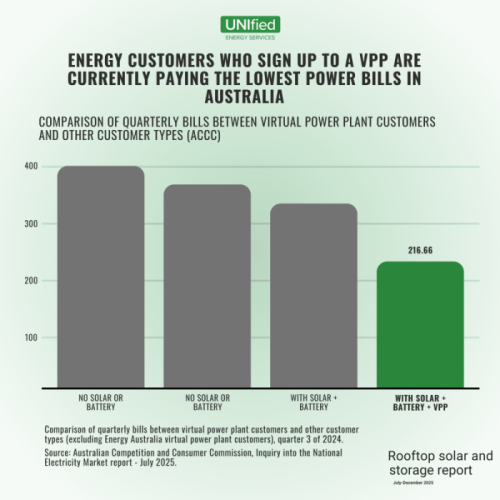
UNIfied Energy customers with home batteries are already ahead of the curve but those participating in a Virtual Power Plant (VPP) are leading the way in savings. According to the latest ACCC Inquiry into the National Electricity Market (July 2025), VPP participants are currently paying the lowest power bills in Australia. If you want to maximise your solar investment in 2026, a VPP is no longer just an option it’s the smartest financial move you can make. How Much Can You Save with a VPP? The ACCC’s findings highlight a massive gap in energy costs based on how households use their solar batteries. Here is the breakdown of average quarterly savings: Households with solar + battery pay an average of $323 per quarter. Those also enrolled in a VPP save an additional $106 per quarter. That brings their average bill down to just $217 per quarter – the lowest of any customer group. Why Virtual Power Plants are Essential in 2026 With fluctuating energy prices and increased grid pressure, VPPs have become a cornerstone of Australia’s clean energy transition. As industry experts noted in the latest ACCC report: “Energy customers who sign up to a VPP are currently paying the lowest power bills in Australia. Encouraging stronger participation is more important than ever.” When you enroll, your battery becomes part of a collective network that stabilises the grid and reduces our national reliance on fossil fuels. In exchange, you unlock exclusive bill credits and passive income, all while maintaining control over your home’s energy security. Benefits for UNIfied Energy Battery Customers If you already have a home battery, or are looking to install one, joining a VPP is the most effective way to: Slash Quarterly Bills: Reach the lowest energy price bracket in the country. Faster ROI: Pay off your solar and battery investment sooner. Grid Resilience: Help prevent blackouts in your local community. Earn While You Sleep: Receive rewards and credits for your battery’s participation. Why Choose UNIfied? At UNIfied Energy, we’re committed to making your electrification journey seamless. We help Australian households and businesses: Reduce energy bills Lower carbon emissions Confidently invest in clean energy living Contact UNIfied Energy today or call 1300 817 847 to achieve greater savings in these precarious times and start your journey of clean energy living.
Federal Battery Rebate Changes From 1 May 2026 Explained
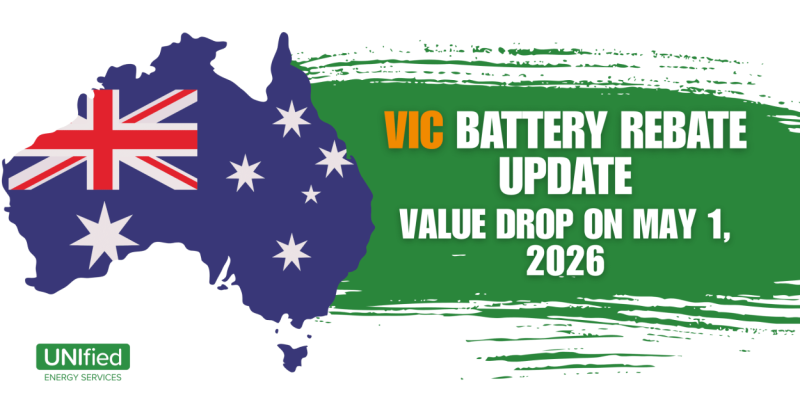
From 1 May 2026, the Federal Government is introducing major changes to how battery rebates are calculated under the Small‑scale Renewable Energy Scheme (STCs). Instead of a single rebate value for all battery sizes, the system will shift to a tiered structure and twice‑yearly reductions, meaning the value of the rebate will decline faster than before. What’s changing More frequent reductions: STC values will now drop in value every six months, accelerating the phase‑out of financial support. New tiered rebate system: 0–14 kWh → 100% STC rate 14–28 kWh → 60% STC rate 28–50 kWh → 15% STC rate Larger batteries get less support: Only the first 14 kWh receives the full rebate. Any capacity above that is discounted heavily. Applies to all installations from 1 May 2026 onward: Systems installed before this date still receive the current, higher rebate structure. What it means for customers Installing before May 2026 could lock in a significantly higher rebate. Battery sizing becomes more strategic—oversizing may no longer deliver good value. Rebate value will vary based on installation date, battery size, and the fluctuating STC market price. Customers waiting too long may pay more, as the rebate will shrink twice a year until 2030. The upcoming rebate changes make early action the smartest move. With reductions happening twice a year and larger batteries receiving less support, customers who install before May 2026 will secure the strongest financial benefit. Acting now protects them from shrinking incentives and ensures they get maximum value from their battery investment. For more info: Solar Choice Why Choose UNIfied? At UNIfied Energy, we’re committed to making your electrification journey seamless. We help Australian households and businesses: Reduce energy bills Lower carbon emissions Confidently invest in clean energy living Contact UNIfied Energy today or call 1300 817 847 to achieve greater savings in these precarious times and start your journey of clean energy living.
Total Tooling, VIC
-
Solar PV Systems
- Wetherill Park, NSW
-
System Size
- 99.6kW
-
Annual Energy Savings
- $44,368