
Household budgets are about to come under even greater strain
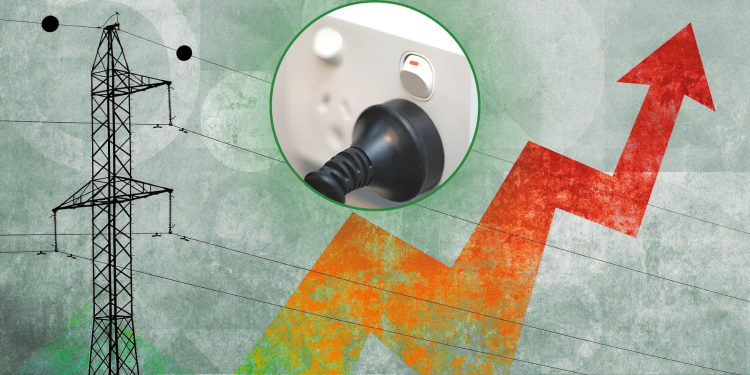
The end of energy rebates was always going to reignite cost‑of‑living pressures in 2026, and with a possible February rate hike looming, households now face a financial squeeze from both directions. A 0.25 percentage point rise would add about $110 a month to the average mortgage, while the end of energy subsidies could push power bills up by as much as 20 per cent. This double hit comes as the property market is expected to cool, weakening the wealth effect that’s supported homeowners. Lower‑income households will feel the energy shock most, as electricity takes up a larger share of their budgets. Economists had expected the RBA to hold rates in February, but a surprise drop in unemployment has shifted expectations. Major banks including CBA, UBS and HSBC now anticipate a rate rise. With Wednesday’s inflation data likely to be decisive. A hike would benefit savers but frustrate mortgage holders who saw only three cuts before the cycle turned. The pressure will be compounded by the expiry of the $6.8 billion in electricity rebates that ended in December. Higher power prices will feed into inflation and could slow the strong consumer spending seen over the past year. The government is under pressure to soften the blow as higher bills begin landing. Energy Minister Chris Bowen has given retailers five months to design the Solar Sharer scheme, offering customers three free hours of electricity, though energy companies warn it’s complex and could raise prices. Even if the scheme launches mid‑year, households still face a tough stretch of rising costs. For mortgage holders, the combination of higher rates and higher power bills could be a painful double hit. Why Choose UNIfied? At UNIfied Energy, we’re committed to making your electrification journey seamless. We help Australian households and businesses: Reduce energy bills Lower carbon emissions Confidently invest in clean energy living Contact UNIfied Energy today or call 1300 817 847 to achieve greater savings in these precarious times and start your journey of clean energy living.
Grima Recycling, NSW
-
Solar PV Systems
- Wetherill Park, NSW
-
System Size
- 99.6kW
-
Annual Energy Savings
- $44,368
UNIfied Energy Christmas & New Year Closure Notice

As the year comes to a close, the team at UNIfied Energy would like to thank all our valued customers, partners, and communities for their support throughout 2025. It’s been a year of growth, innovation, and helping thousands of Australian households take control of their energy future with solar and battery solutions. To allow our hardworking team to enjoy a well-earned break with family and friends, UNIfied Energy will be closed: Monday, 22 December 2025 and will reopen on Monday, 5 January 2026 During this period, our offices will be unavailable for bookings, installations, and general enquiries. However, if you’re planning ahead for the new year or would like to explore how solar and battery storage can help reduce your energy bills, you can still reach us online. Need a Solar or Battery Quote While We’re Away? You can submit an enquiry anytime via our website. Our team will get back to you as soon as we return. 👉 For your solar and battery needs: CLICK HERE We wish everyone a safe and enjoyable festive season, and we look forward to helping more Australians harness the power of clean energy in 2026. Merry Christmas and Happy New Year from The UNIfied Energy Team! 🎄
Australian Power Prices Predicted to Keep Rising Until Renewable Energy Rollout is Complete

Australian consumers face a harsh financial reality: power prices will likely continue climbing for the next decade. Consequently, this significant surge in energy costs directly ties to the massive investment required for the renewable energy rollout and associated infrastructure. Industry predictions, discussed by Sky News Australia, confirm this forecast. Therefore, energy experts clearly agree: electricity bills will climb. They expect the climb to continue until builders fully construct and operate the new national transmission network. This network is often dubbed the “poles and wires” across the country. Why Are Australian Power Prices Rising? The Cost of Renewable Energy Transition First, we must pinpoint the primary driver of these price hikes to understand the current economic pressure: Long-Term Price Hikes: An Australian Energy Council report suggests consumers could endure power bill increases for 10 years. The Network Cost Factor: Furthermore, the significant network cost causes the main rise. Specifically, this involves building vast new transmission lines. These lines must connect large-scale renewable projects (like solar and wind farms) to the power grid. Ultimately, these massive infrastructure costs pass directly to Australian households via their electricity bills. The 2030 Target Deadline: The government aims for an 83% renewables target by 2030. Thus, cost increases will likely continue until this ambitious rollout milestone occurs. Government Strategy: Rebates and Honesty on Energy Costs Next, the political discussion centers on transparency and consumer relief measures: The Honesty Deficit: Analysts argue the government must demonstrate more honesty about the immediate financial pain the infrastructure rollout causes. For example, they dismissed previous claims of a $275 cut in power bills due to renewables. They found those claims unrealistic, given the current trajectory of rising costs. Energy Rebates Debate: In addition, debate continues over whether the government will maintain energy rebates and subsidies. Experts warn that withdrawing these state subsidies could lead to further inflation. The argument for continuation is simple: this national transition requires government assistance to support consumers with their power bills. Consumer Solutions: Solar Panels and Battery Storage Finally, faced with climbing utility costs, many Australian households are increasingly finding ways to control their energy future: Solar Demand Increases: Consequently, consumers actively invest in solar panels and home battery storage. This action reduces their reliance on the grid. Capital Cost Barrier: However, the high upfront investment remains the major challenge for most consumers. A full solar and battery package, for instance, costs approximately $20,000. Investment Payback: Despite government rebates, the typical payback period for a system still runs between 7 to 10 years. Why Choose UNIfied? At UNIfied Energy, we’re committed to making your electrification journey seamless. We help Australian households and businesses: Reduce energy bills Lower carbon emissions Confidently invest in clean energy living Contact UNIfied Energy today or call 1300 817 847 to achieve greater savings in these precarious times and start your journey of clean energy living. Source: Sky News Australia
Electricity Prices Surge Despite Albanese Government’s Cost-of-Living Promises
Electricity prices across Australia have soared, despite repeated assurances from the Albanese government that household costs would come down. New inflation data reveals that energy bills are climbing, adding pressure to already strained household budgets. Sky News host Chris Kenny has criticised Prime Minister Anthony Albanese, accusing him of ignoring the economic impact of his administration’s policies. Kenny claims that excessive government spending and flawed energy strategies are fuelling inflation and driving up electricity costs. Electricity Prices Australia: “The government is offering short-term subsidies instead of addressing the root causes,” Kenny said. “It’s a band-aid solution that doesn’t fix the underlying problem.” Analysts suggest that while renewable energy investments and decarbonisation targets are crucial for Australia’s long-term future, the short-term rollout has contributed to volatility in supply and pricing. This has sparked a debate about how to balance the energy transition with affordability and reliability. Public frustration is mounting as households seek practical solutions to reduce their energy burden. Many are turning to rooftop solar, energy-efficient appliances, and smarter home systems to take control of their power costs rather than waiting for government relief measures to materialise. The criticism comes amid growing public frustration, as Australians grapple with rising living expenses and stagnant wage growth. Many are questioning whether the government’s energy transition plans are delivering the promised financial relief. Ultimately, the data underscores a growing divide between political promises and everyday realities. As electricity prices continue to climb, Australians are looking for immediate, sustainable ways to keep the lights on without breaking the bank. Why Choose UNIfied? At UNIfied Energy, we’re committed to making your electrification journey seamless. We help Australian households and businesses: Reduce energy bills Lower carbon emissions Confidently invest in clean energy living Contact UNIfied Energy today or call 1300 817 847 to achieve greater savings in these precarious times and start your journey of clean energy living.
Power Prices Set to Rise: 5 Smart Tips to Save Energy This Summer

Australian households are being urged to prepare for a significant rise in electricity bills in the coming year. As newly released government documents reveal another upswing in power prices just when many are gearing up for a hot summer. The briefing notes to Chris Bowen, the federal Energy Minister, outline that retail electricity prices are set to climb across several states. The documents indicate that energy costs now sit just behind food and groceries as the biggest worry for Australian households. Starts at 60 They show that although government policies have delivered some relief to homes and small businesses, the baseline retail electricity pricing mechanism. The Default Market Offer, suggests a further “significant increase” in the coming financial year to save energy as power prices rise. What’s Driving the Rise The Default Market Offer (DMO), which sets the floor for electricity pricing in New South Wales, South East Queensland, Victoria and South Australia, shows projected household bill increases ranging from as little as 0.5 % to nearly 10 %, depending on the state. Starts at 60 Meanwhile, the government’s push to accelerate emissions reductions and expand renewable energy infrastructure is adding cost pressures in the short term, as part of its broader strategy to position Australia as a “pragmatic climate leader. For older Australians and fixed-income households, the challenge is immediate: how to continue operating air conditioning, refrigeration and other essentials to save energy as power prices rise. Five Easy Ways to Save Energy This Summer As temperatures climb and bills follow, small adjustments can deliver meaningful savings: Prioritise fans over air conditioning: Ceiling and pedestal fans use about 80 % less energy than air conditioners. Use them alongside open windows in mornings and evenings to naturally cool your home. Smart air-conditioner settings: Set your air-con to around 24-25 °C rather than 20 °C to reduce cooling costs by roughly 10 %. Close blinds and doors to retain cool air. Switch off appliances on standby: TVs, computers, kitchen appliances still draw power when in standby. Turning them off at the wall can save up to A$100 annually. Wash smart, dry naturally: Opt for cold-water washing and line-drying wherever possible. Clothes dryers are one of the biggest summer power-users. Review your energy plan: Compare rates, shop around for cheaper providers or consider a time-of-use plan. Even small savings per kilowatt-hour can add up over summer. With rising energy costs on the horizon, a little preparation and behavioural tweaks can help households. Especially those on fixed incomes, stay comfortable without a massive power bill shock. Why Choose UNIfied? At UNIfied Energy, we’re committed to making your electrification journey seamless. We help Australian households and businesses: Reduce energy bills Lower carbon emissions Confidently invest in clean energy living Contact UNIfied Energy today or call 1300 817 847 to achieve greater savings in these precarious times. Start your journey of clean energy living.
NEX Level Fitness
-
Solar PV Systems
- Dural, NSW
-
System Size
- 79.2kW
-
Annual Energy Savings
- $41,800
Maximise Your Solar Battery Savings: Smart Tips for 2025
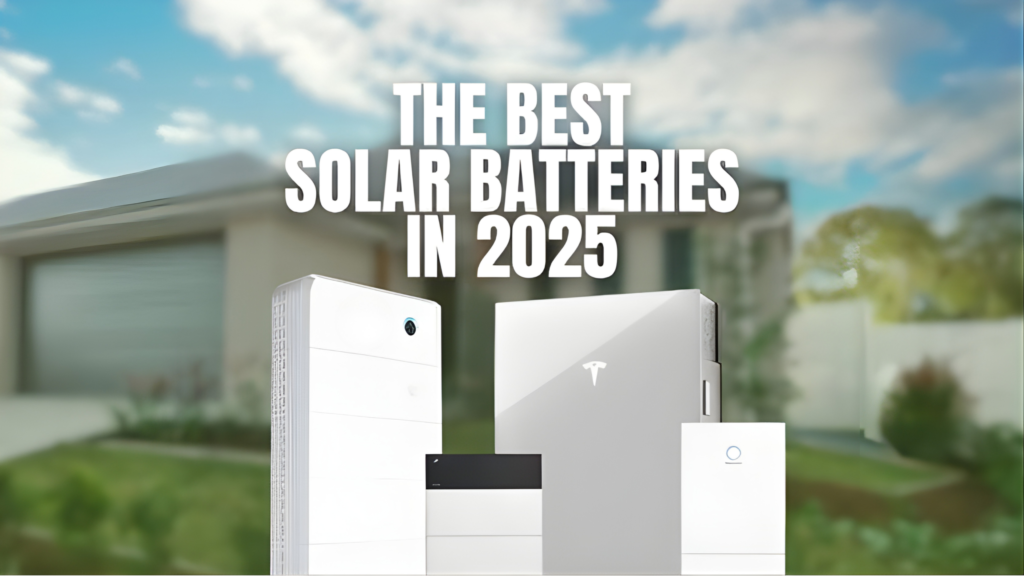
Installing a solar battery is a smart move but using it wisely is where the real savings begin. With the Cheaper Home Batteries Program now live (up to 30% off installs from 1 July 2025), it’s the perfect time to optimise your setup. Use Solar Power When It’s Free Run high-energy appliances EV chargers, washers, dryers during peak solar hours (late morning to early afternoon). With feed-in tariffs dropping to just 0.04c/kWh in Victoria, self-consumption beats exporting. Monitor with Your Battery App Track energy use, battery status, and solar generation. Small tweaks like avoiding grid draw when your battery is full can lead to big savings. Not sure where to start? Your installer can walk you through the basics. Even a quick chat can help you make smarter, more confident decisions. Upgrade for Efficiency Switch to LEDs, add insulation, and install blinds to reduce energy demand. These simple upgrades help your solar system go further. Add a Home Energy Management System (HEMS) HEMS automates appliance use, prioritises battery power, and optimises based on tariffs and weather. It’s smart tech for smarter savings Join a Virtual Power Plant (VPP) VPPs let you earn by sharing stored energy during peak demand. Just check the terms and some programs limit battery control. They can accelerate your return on investment but it’s essential to review the details. Compare providers, understand the conditions, and choose the level of flexibility that best suits your needs. Self-Consumption Is Key With tariffs fading, using your own solar power is the new gold standard. Monitor, automate, and upgrade to get the most from your battery. Why Choose UNIfied? At UNIfied Energy, we’re committed to making your electrification journey seamless. We help Australian households and businesses: Reduce energy bills Lower carbon emissions Confidently invest in clean energy living Contact UNIfied Energy today or call 1300 817 847 to achieve greater savings in these precarious times and start your journey of clean energy living.
5 Solar Trends Powering Australia’s Energy Shift in 2025
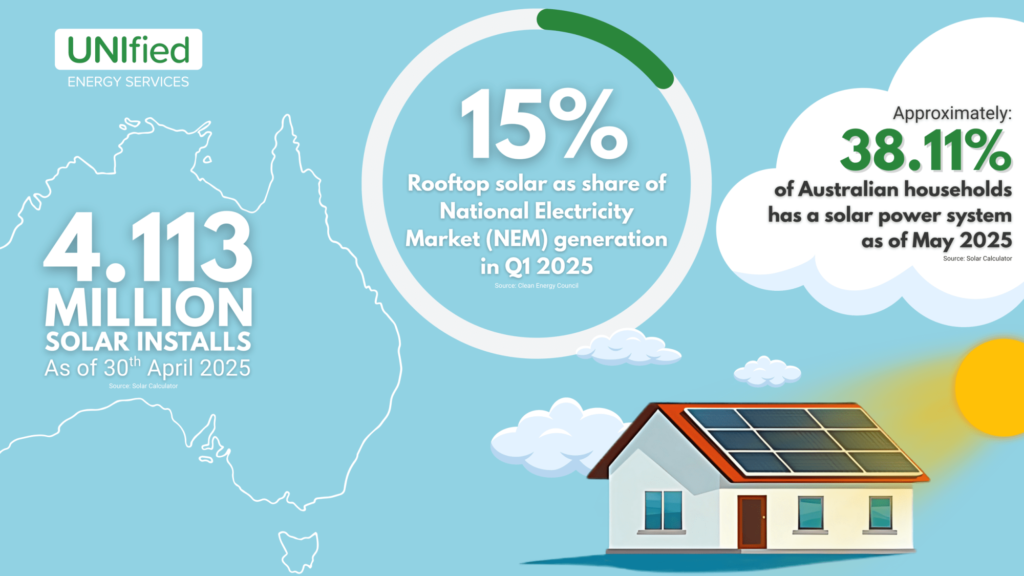
Australia’s solar momentum is unstoppable and 2025 is bringing smarter tech, cleaner systems, and broader access. Here’s what’s shaping the future and how UNIfied Energy is helping you stay ahead. 1. High-Efficiency Panels New panels using TopCon and N-type cells are hitting over 21% efficiency. That means more power from less roof space. We install only top-tier modules with warranty. Maximum output, minimum hassle. 2. Ethical Manufacturing Solar’s going greener behind the scenes. Panels made with renewable-powered factories and transparent supply chains are in demand. We partner with brands that meet strict ESG and quality standards. 3. Battery Boom With feed-in tariffs fading and grid instability rising, batteries are now essential. Store your solar, use it when it counts, and stay protected during outages. We offer leading options like Tesla Powerwall and Sofar PowerAll-5. 4. Smarter Energy Control AI-powered systems now automate when and how your home uses energy, cutting costs and boosting efficiency. Our UNIfied Smart Hub (coming soon) puts solar, battery, and HVAC control in your hands. 5. Shared Solar Access Community solar and apartment-friendly systems are expanding fast. With programs like Solar for Apartments, clean energy is reaching more homes, no roof required. Solar power is rapidly transforming Australia’s energy landscape. In 2025, expect next-gen panels, smarter tech, better storage, and community-driven solutions—all driving a cleaner, more efficient future. Solar power is an affordable choice and a driving force behind Australia’s clean energy future. Why Choose UNIfied? At UNIfied Energy, we’re committed to making your electrification journey seamless. We help Australian households and businesses: Reduce energy bills Lower carbon emissions Confidently invest in clean energy living Contact UNIfied Energy today or call 1300 817 847 to achieve greater savings in these precarious times and start your journey of clean energy living.
Fairfield Fruitland
-
Solar PV Systems
- Cabramatta, NSW
-
System Size
- 86.1kW
-
Annual Energy Savings
- $23,753