Solar Sharer Plans: Free Heating This Winter?
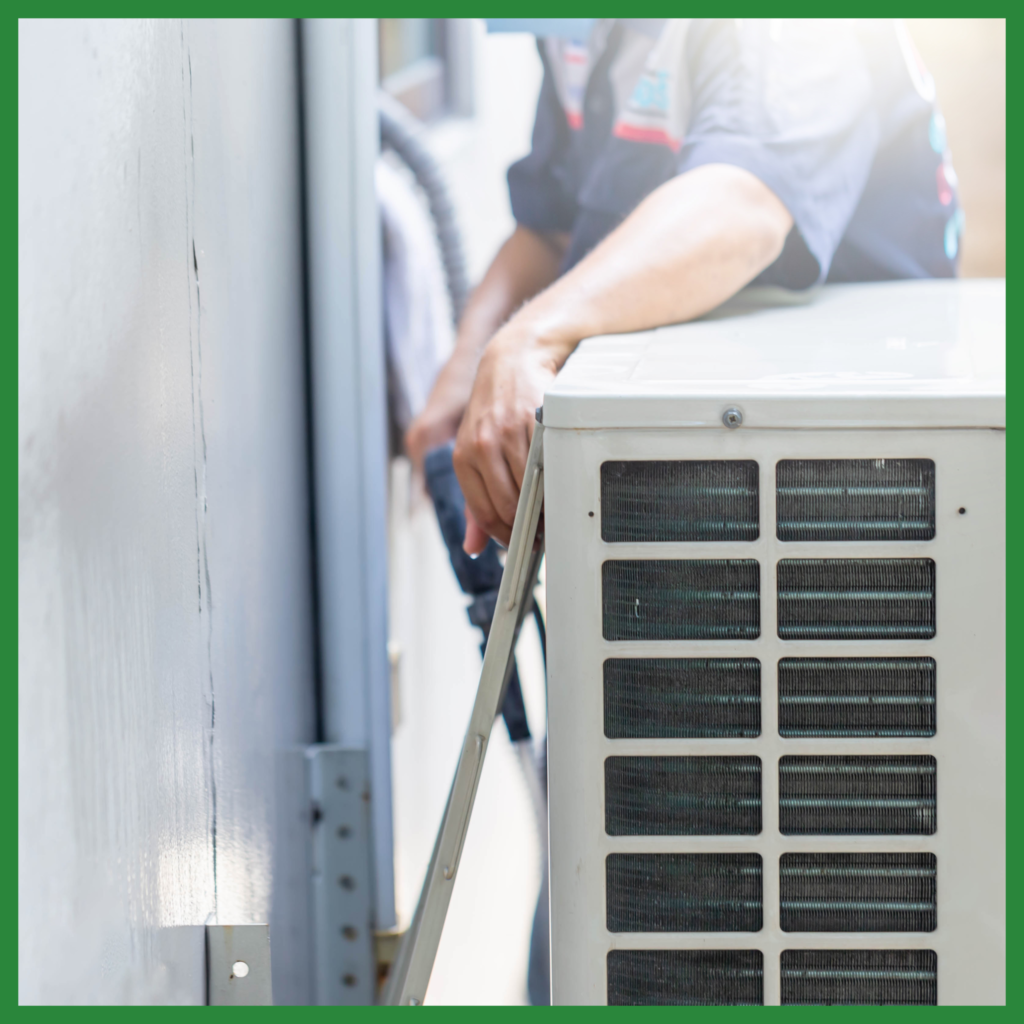
Australia’s new free daytime electricity plans have arrived just in time for winter but they only save you money if you actually shift usage into the free window. Does this mean the solar sharer plans give free heating this winter? Solar Sharer launched 1 July 2026, offering up to 24 kWh of free power daily. 11am–2pm in NSW/SE Queensland, noon–3pm in SA, with Victoria’s Midday Power Saver starting 1 October. The catch is retailers often claw the cost back through higher peak rates or supply charges, so the free hours only help if you use them. Your best lever is heating and cooling. Since reverse-cycle systems use most of their energy getting a room to temperature, then very little to hold it there. So: blast the system as soon as the free window opens (aim for 18–20°C in winter), and you’ve covered the expensive part for free, even if it keeps running afterward. A basic timer can’t adapt to weather or whether you’re home, though. Smart Upgrades Help Independent smart add-on devices that instantly upgrade your split or ducted air conditioner and mimic the remote, letting you schedule the free window automatically, use phone-location triggers, and pause the system if you leave or a door’s open. Sealing draughts at doors and windows should come first, it can cut heating bills by up to 25%, since even bare glass loses far more heat than an insulated wall. Thermal mass only helps once a home stops leaking; a well-sealed house can hold its temperature for days. Sealing up French or sliding doors alone earned Bennett a 3.5°C gain. Unused chimneys are another major leak point, a simple felt chimney blocker helps a lot. So, does this mean the solar sharer plans give free heating this winter? Check if your system has built-in scheduling or would benefit from a smart device setup. Then seal up your home’s weak spots. Get the timing and the sealing right together, and free electricity becomes genuinely free comfort. Why Choose UNIfied? At UNIfied Energy, we’re committed to making your electrification journey seamless. We help Australian households and businesses: Reduce energy bills and operating costs Lower carbon emissions and confidently adopt sustainable practices. Contact UNIfied Energy today or call 1300 817 847 to achieve greater savings in these precarious times and start your journey of clean energy living.
WILLOWDALE SHOPPING PLAZA | NSW
-
Solar PV Systems
- Wetherill Park, NSW
-
System Size
- 99.6kW
-
Annual Energy Savings
- $44,368
HVAC Install | VIC
-
Solar PV Systems
- Wetherill Park, NSW
-
System Size
- 99.6kW
-
Annual Energy Savings
- $44,368
Why Winter is the Smartest Time to Install a Solar Battery in Australia
Why winter is the smartest time to Install a solar battery in Australia. Winter isn’t just a “fine” time to install a home battery – it’s the most financially strategic window of the year. Since the federal Cheaper Home Batteries Program launched in July 2025, Australia has surged past 400,000 installations. Daily adoptions have skyrocketed from 200 to over 1,500. Batteries are no longer niche; they are standard Australian home infrastructure. Lock In the 30% Battery Rebate Before It Tapers The federal government currently slashes around 30% off the upfront cost of eligible systems. However, support for larger systems is already tapering, and the entire program will steadily wind down toward 2030. Every season you wait, the incentive shrinks. Crushing Evening Peak Rates with Winter Arbitrage Summer gets the hype, but winter is where solar arbitrage – the gap between cheap solar export rates and expensive grid import prices – is most brutal. Even with lower winter generation, your panels produce a midday surplus. A battery stores this power to run your home from 4PM to 9PM, bypassing peak grid prices: Victoria: Saves you from trading a 3¢/kWh daytime export credit for a 37¢/kWh evening bill. NSW & SA: Follow the exact same costly peak pattern. UNIfied Energy’s Verdict: Don’t Wait for Summer With recent Feed-in Tariff (FiT) cuts, government rebates tapering, and evening grid prices remaining punishingly high, waiting costs you money. A winter solar battery installation is the sharpest financial move you can make for your energy independence. Why Choose UNIfied? At UNIfied Energy, we’re committed to making your electrification journey seamless. We help Australian households and businesses: Reduce energy bills and operating costs Lower carbon emissions and confidently adopt sustainable practices. Contact UNIfied Energy today or call 1300 817 847 to achieve greater savings in these precarious times and start your journey of clean energy living.
NSW Solar Battery Interest-Free Loan: Save on Solar, Batteries & Energy Upgrades in 2026
NSW Removes the Upfront Cost Barrier for Solar and Battery Installation The NSW Government has launched a new NSW interest-free loan program designed to help more households install solar panels, home batteries, and energy-efficient upgrades without the burden of high upfront costs. Eligible homeowners can now access up to $15,000 in zero-interest finance, repayable over 10 years, making it easier than ever to invest in renewable energy and reduce electricity bills. The NSW Government has committed $480 million to the program, providing funding for approximately 32,000 households. The initiative aims to remove one of the biggest barriers preventing Australians from making the switch to cleaner, more affordable energy—the initial installation cost. NSW Solar Battery Interest-Free Loan Who Is Eligible for the NSW Interest-Free Solar Loan? To qualify, applicants must: Own a home in NSW. Have a combined household income of $210,000 or less. Later this year, additional cash rebates of up to $4,000 will become available for: Concession card holders. Households earning less than $80,000 per year. The NSW Government recommends claiming the rebate first (once available) before using the interest-free loan to cover any remaining costs. Renters may also be eligible if their landlord approves the energy upgrade. What Can the NSW Energy Loan Be Used For? The interest-free loan can be used for a wide range of home energy improvements, including: Solar panel systems Home battery storage Switchboard upgrades Ceiling insulation Draught-proofing Double-glazed windows Solar hot water systems Reverse-cycle air conditioners Induction cooktops EV chargers DC ceiling fans Homeowners can combine multiple upgrades into a single loan, making it easier to improve their home’s energy efficiency all at once. How Much Can You Save with Federal and NSW Solar Incentives? The NSW loan can be combined with existing Australian Government solar and battery rebates, significantly reducing the total installation cost. A typical 6.6kW solar system with a 10kWh battery generally costs between $18,000 and $22,000 before incentives. Current federal rebates include: Small-scale Technology Certificates (STCs): Approximately $1,500–$2,500 off the solar installation. Federal Battery Rebate: Around $244 per kWh (up to the first 14kWh), providing roughly $2,440 off a 10kWh battery. After these rebates, the remaining installation cost is typically $14,000 to $18,000. For many households, the new NSW interest-free loan can cover most—or even all—of this remaining amount, with repayments spread over 10 years and no interest charges. Should You Apply Now or Wait? If your household earns under $80,000, it may be worth waiting until the NSW Government releases the additional cash rebate later this year. You can then apply the rebate first before financing the remaining balance through the interest-free loan. If your household income is between $80,000 and $210,000, you can apply for the loan immediately. It’s also worth considering that: The Federal Battery Rebate reduces every six months until January 2027. More than half of NSW homes already have rooftop solar. Around 13,000 home batteries are being installed across Australia every month. Is Now the Best Time to Install Solar and a Home Battery? For many NSW homeowners, the answer is yes. With federal solar rebates, the Federal Battery Rebate, and the new NSW interest-free loan, the cost of installing solar panels and battery storage has never been more affordable. If you’ve been waiting for the right time to reduce your electricity bills, improve your home’s energy efficiency, and invest in renewable energy, this combination of incentives makes 2026 one of the best opportunities yet. Why Choose UNIfied? At UNIfied Energy, we’re committed to making your electrification journey seamless. We help Australian households and businesses: Reduce energy bills and operating costs Lower carbon emissions and confidently adopt sustainable practices. Contact UNIfied Energy today or call 1300 817 847 to achieve greater savings in these precarious times and start your journey of clean energy living.
Pipeclay Lawson | NSW
-
Solar PV Systems
- Wetherill Park, NSW
-
System Size
- 99.6kW
-
Annual Energy Savings
- $44,368
The 2026 Solar Playbook: Why It’s Still Worth It (And How the Rules Changed)
The 2026 Solar Playbook: Yes, solar is absolutely still worth it but the strategy has changed. With electricity prices jumping up to 9.7% early this year, rooftop panels are your best defense against high bills. However, because feed-in tariffs (FiTs) have plummeted to just 3–10c/kWh, exporting power to the grid is no longer profitable. With grid electricity costing 30–45c/kWh, the real money is in self-consumption—using your own solar power as it is generated. How to Maximize Your Savings To get the fastest return on investment, you must shift your heavy energy usage to peak daylight hours (10 AM to 3 PM): Run washing machines, dishwashers, and pool pumps at midday. Pre-cool or pre-heat your home using air conditioning while the sun is out. Set your hot water system to heat up during peak solar hours. Charge your electric vehicle (EV) during the day. Are Batteries Worth It? Increasingly, yes. Storing your own solar power for night use is now roughly six times more valuable than exporting it. Thanks to falling prices and state incentives, battery payback periods have dropped to 5–10 years (and just 3–4 years for high-usage homes). So… Is Solar Still Worth It in 2026? Yes! and here’s why the financial case is still strong: Electricity prices are high (30–45c/kWh), and every solar kWh you use saves you that full amount. The federal STC rebate still applies, but reduces each year until 2030. Solar system prices are lower than ever, with a quality 6.6kW system costing $5,500–$8,000 after rebates. Payback is fast, typically 3–6 years. Homes with solar sell for more, often 2–3% higher. Solar + battery = energy independence, shielding you from future price hikes. Why Choose UNIfied? At UNIfied Energy, we’re committed to making your electrification journey seamless. We help Australian households and businesses: Reduce energy bills and operating costs Lower carbon emissions and confidently adopt sustainable practices. Contact UNIfied Energy today or call 1300 817 847 to achieve greater savings in these precarious times and start your journey of clean energy living.
Solar Victoria Rebates Are Changing: Act Before 30 June 2026
Important Update: Solar Victoria Rebate Changes: Act Before 30 June 2026 Solar Victoria is tightening its eligibility rules from 1 July 2026 and if your household earns between $150,000 and $210,000, this directly affects you. Starting 1 July 2026, households in this income bracket will no longer qualify for Solar Victoria’s rebate and loan programs. That leaves a narrow window — until 30 June 2026 — to lodge your application and lock in thousands of dollars in government support. What Rebates Are Still Available For Incomes $150K–$210K? If you act before the deadline, here’s what you can still access: ☀️ Solar PV Rebate (Up to $1,400) Claim a rebate of up to $1,400 toward the cost of installing a solar panel system on your home. Solar panels can reduce your electricity bills by thousands of dollars over their lifetime, and this rebate helps offset the upfront installation cost significantly. 💳 Interest-Free Loan (Up to $1,400) Pair your rebate with an interest-free loan of up to $1,400 to further reduce the out-of-pocket cost of going solar. This means you could access up to $2,800 in combined support — at zero interest. 🚿 Eligible Hot Water Rebates (Enquire Now) Upgrading to an energy-efficient hot water system (such as a heat pump hot water system) may also qualify for a separate rebate under Solar Victoria’s program. Hot water heating accounts for roughly 20–25% of the average household energy bill, making this one of the smartest upgrades you can make. Contact us to find out what’s available for your situation. Why Does This Deadline Matter? Solar Victoria Rebate Changes and scheme has been a major driver of solar adoption across the state. The upcoming income threshold change means tens of thousands of Victorian households will lose access to support they’re currently eligible for. If you’re in the $150,000–$210,000 income range and haven’t yet made the switch to solar or upgraded your hot water system, 30 June 2026 is your final opportunity to benefit from the current eligibility criteria. After this date, there is no guarantee these rebates will be reinstated for households in this bracket. Is Solar Still Worth It After the Rebates End? Absolutely but acting now maximises your return. With energy prices continuing to rise across Victoria, a quality solar system typically pays for itself within 3–6 years. The rebate and interest-free loan simply accelerate that payback period and reduce your risk. Installing before 30 June means you benefit from government support and start saving on bills sooner. Why Choose UNIfied? At UNIfied Energy, we’re committed to making your electrification journey seamless. We help Australian households and businesses: Reduce energy bills and operating costs Lower carbon emissions and confidently adopt sustainable practices. Contact UNIfied Energy today or call 1300 817 847 to achieve greater savings in these precarious times and start your journey of clean energy living.
Which Commercial Solar Financing Option Is Right for Your Business?
Which Commercial Solar Financing Option Is Right for Your Business? Every business is different – so the best way to go solar depends on your cash flow, ownership goals, and how fast you want to see returns. Businesses Are Switching to Solar and Saving Big More businesses than ever are turning to solar energy to cut rising power bills and reduce their carbon footprint at the same time. At Unified Energy Services, we make the switch easy. Whether you own your building or lease your space, we’ll help you find the right solar setup — and the right way to pay for it. Flexible Options for Every Business We offer multiple payment pathways so you can go solar without financial strain. Own, lease, or somewhere in between – we’ll tailor a solution that fits your business perfectly. Here’s a simple breakdown. 1. Invest (Buy Outright) Best for businesses with upfront capital. Benefits of Buying Solar Outright? You own the system from day one Claim depreciation + operating costs at tax time Fastest return on investment Potential 57% ROI with an average 20‑month payback Choose Invest if your business: Has money available upfront Wants full asset ownership Wants the quickest financial return 2. Finance (Loan / $0 Upfront) Best for businesses that want solar now without the upfront cost. Benefits of Choosing Finance Option $0 upfront – pay over time Claim GST + loan interest as business expenses Solar savings help offset repayments You own the system once finance is complete Choose Finance if your business: Doesn’t have upfront capital Wants to eventually own the system Wants lower energy bills immediately 3. PPA — Power Purchase Agreement (PPA – Buy Cheaper Power) Best for businesses that want solar savings with zero ownership responsibilities. Benefits of PPA No upfront cost No maintenance – the PPA provider handles everything Pay only for the solar energy you use Energy rate is much cheaper than grid electricity Choose PPA if your business: Has a lease on the premise Prefers no capital outlay Doesn’t want the responsibility of maintaining the system Wants predictable, lower‑cost solar energy Why Choose UNIfied? At UNIfied Energy, we’re committed to making your electrification journey seamless. We help Australian households and businesses: Reduce energy bills and operating costs Lower carbon emissions and confidently adopt sustainable practices. Contact UNIfied Energy today or call 1300 817 847 to achieve greater savings in these precarious times and start your journey of clean energy living.
What is Truly the Cheapest Way to Heat Your Home This Winter?
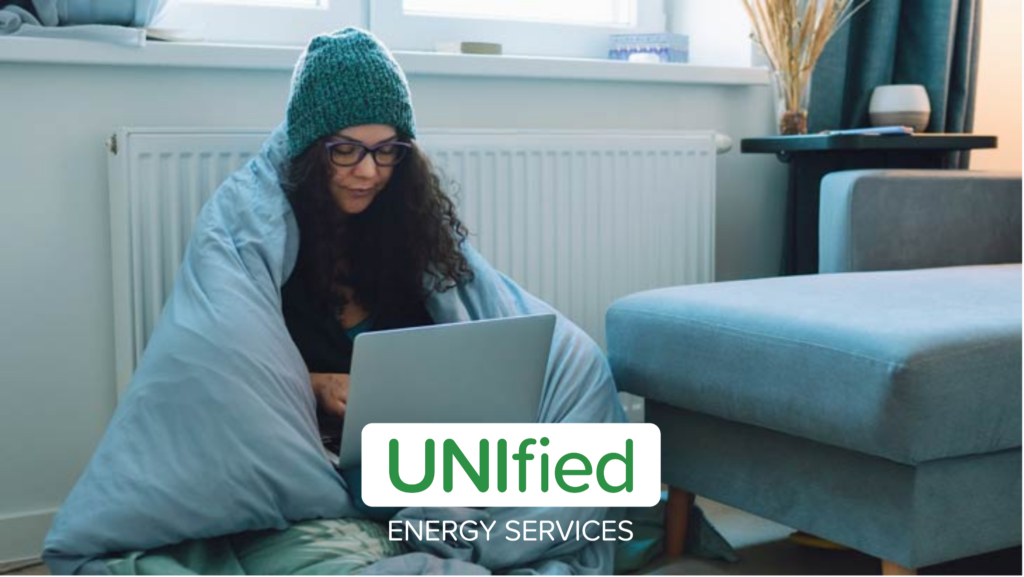
With energy prices continuing to climb, many Australians are dreading the arrival of their winter power bills. A recent analysis highlights that the difference between the most and least efficient heating methods can cost (or save) you thousands of dollars over a single season. At UNIfied Energy, we believe you shouldn’t have to choose between comfort and your bank account. Here is the breakdown of how to heat your home the smart way this winter. 1. Reverse-Cycle is King (but having solar makes it more affordable!) The data is clear: High-efficiency reverse-cycle air conditioning, using heat pump technology, is one of the most cost-effective ways to heat a room. While portable electric heaters might seem “cheap” to buy, they are incredibly expensive to run, often costing up to three times more than a reverse-cycle system for the same amount of heat. The UNIfied Advantage: Pair your heating with a UNIfied Solar PV System. By running your reverse-cycle heating during the day while your panels are generating power, you can effectively heat your home for a lot less. 2. Upgrade Your Hot Water Heating isn’t just about the air temperature; hot water accounts for roughly 25% of the average household’s energy use. If you are still using an old electric storage tank, you are likely paying a “loyalty tax” to your energy retailer. The UNIfied Solution: Transition to a High-Efficiency Heat Pump Hot Water System. These systems act like a fridge in reverse, extracting heat from the air to warm your water. They are up to 70% more efficient than traditional electric units and often qualify for significant government rebates. 3. Stop the “Great Escape” Even the best heater will struggle if your home is “leaking” heat. Money Magazine notes that up to 35% of heat is lost through the ceiling and 15-25% through gaps around doors and windows. UNIfied Tip: Before the frost hits, check your seals. Simple “door snakes” and heavy curtains can make a massive difference. Additionally, ensure your home is equipped with Energy-Efficient LED Lighting. While LEDs are famous for saving power, they also stay cool, reducing the risk of heat-leaking gaps often found around old, poorly sealed halogen downlights. 4. Small Habits, Big Savings The “Golden Rule” of winter heating is the 18-20°C range. Every degree you turn the thermostat up over 20°C can add 10% to your heating costs. Zoned Heating: Only heat the rooms you are using. If you have a ducted system, use the zones to keep bedrooms cool during the day and living areas warm. 5. Future-Proof with Battery Storage The cheapest way to heat your home at night? Use the energy you collected during the day. The UNIfied Solution: A Solar Battery allows you to store excess solar energy generated during the sunny winter hours and discharge it in the evening when the family is home and the heating demands are highest. This “load shifting” is the ultimate way to achieve energy independence. Is your home winter-ready? Don’t wait for a “bill shock” in July. UNIfied Energy offers comprehensive energy assessments to find the best solar, split heating/cooling systems, and hot water heat pumps for your specific needs. Why Choose UNIfied? At UNIfied Energy, we’re committed to making your electrification journey seamless. We help Australian households and businesses: Reduce energy bills Lower carbon emissions Confidently invest in clean energy living Contact UNIfied Energy today or call 1300 817 847 to achieve greater savings in these precarious times and start your journey of clean energy living.