Victoria’s generous renewable energy subsidies face cuts
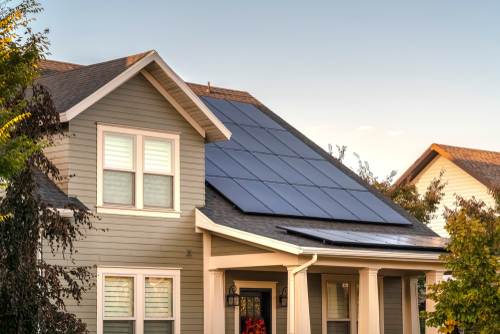
Energy touches every part of our lives. From work and education to travel and play, it is an integral part of our social fabric. The Victorian government has some of the nation’s most ambitious climate targets – e.g. 95% of all electricity to come from renewable energy by 2035 and to have 6.3GW of storage by 2035. Yet while the state leads the nation in supporting the growth of renewable energy to secure a green energy future, the economic reality as Victoria’s net debt soars is the government walks a tightrope trying to balance the books. This means that some of the state’s programs face razor-sharp cuts in the coming months as reported recently. As such, it is highly anticipated that Solar Victoria’s incentives such as the following will end by this financial year ending 30 June 2024: $8,800 interest-free loan on solar batteries, followed by a possible reduction to: $1,400 interest-free loan for solar panels, if eligible; $1,400 rebate for solar panels, if eligible; and $1,000 rebate for energy-efficient heating/cooling systems, if eligible, such as heat pump hot water/air-conditioning. Hurry! Countdown is on to 30 June 2024 Victoria’s Premier Jacinta Allan and Treasure Tim Pallas, who are confronted with a budget that needs to rein in spending to address the ballooning of our state debt, is due to release new initiatives under the state budget address on 7 May 2024. If you are still thinking about making the transition to solar and all things renewable, it is a good idea to take advantage of Solar Victoria’s generous in incentives before 30 June 2024. There is a good chance that these rebates and interest-free loans may disappear or decline by the new financial year. Why UNIfied? At UNIfied, we are here to ensure your electrification journey is as efficient and seamless as possible. You can look forward to paying less on your electricity bills when combining a UNIfied solar system with one of the solar batteries we have in our range. Contact UNIfied today or call 1300 817 847 to achieve greater savings in these precarious times, and start your journey of clean energy living!
Warnings of Victoria’s gas shortages
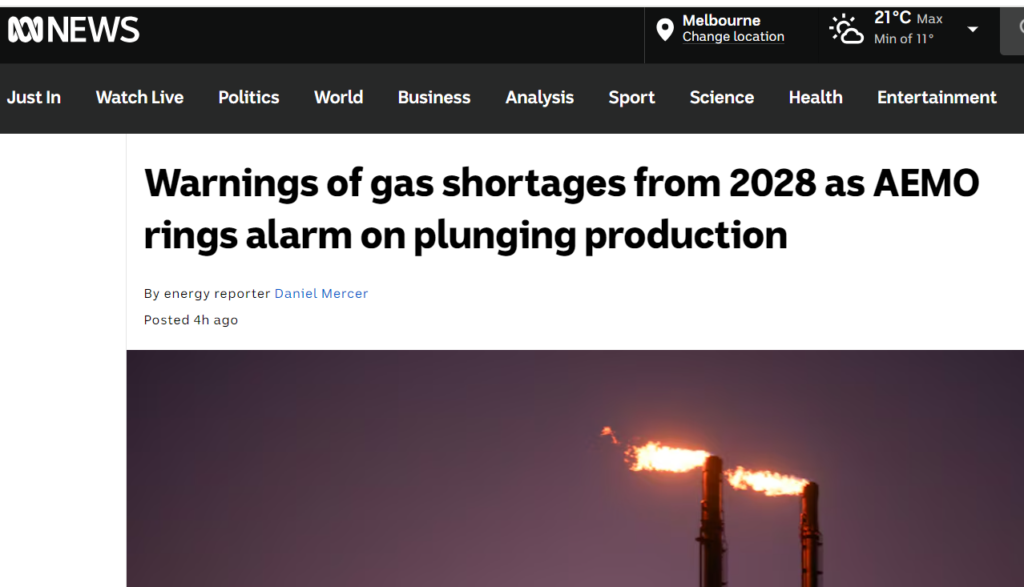
The Australian Energy Market Operator (AEMO) has released a warning that Australia’s south-eastern states are facing a major shortfall of gas supplies within four years as production from historic fields in the Bass Straight falls away much quicker than demand for the fuel. AEMO has painted a grim picture for gas users from 2028 (circa 4 years from today’s date), when the agency says the closure of Victoria’s biggest gas plant will leave a major hole in supplies. In Victoria, where 80% of homes use gas for heating, cooking and hot water, the government wants to encourage homes to switch to electric appliances, and use solar panels and batteries to power their homes. What does this mean for households? The electrification of our homes not only takes the pressure off gas demand but it also limits our exposure to international gas prices. According to Victoria Government’s renewable energy roadmap, Going all-electric also helps Victorians save money. Going all-electric can potentially put around $1,000 per year back in the pockets of new-home owners, or over $2,200 per year with solar installed. What is electrification? Electrification involves replacing technologies that use fossil fuels (coal, oil and natural gas) with technologies that use electricity instead as a source of energy. Electric appliances and any electric equipment around the home not only enable the use of renewable electricity, but they’re more energy efficient than gas appliances. Common household initiatives and appliances you should consider as part of your electrification journey include: solar panels reverse cycle air conditioner / heater a heat pump or solar hot water system electric cooktop For example, by switching to heat pump technology for your air conditioner and/or heater and hot water system, you are likely to save 3 to 4 times heat energy usage. This means the emissions savings are realised from both energy efficiency and renewable energy usage. The good news is Government rebates are available to help you with making the transition. Why UNIfied? At UNIfied, we are here to ensure your electrification journey is as efficient and seamless as possible. Get your FREE, NO-OBLIGATION quote for a tailored solar solution so you can enjoy paying less for your electricity bills. And at the same time, find out how you can save more with upgrading to the heat pump hot water system! Contact UNIfied today or call 1300 817 847 to achieve greater savings in these precarious times, and start your journey of clean energy living!
New! Online energy tool to help Australians save on power bills
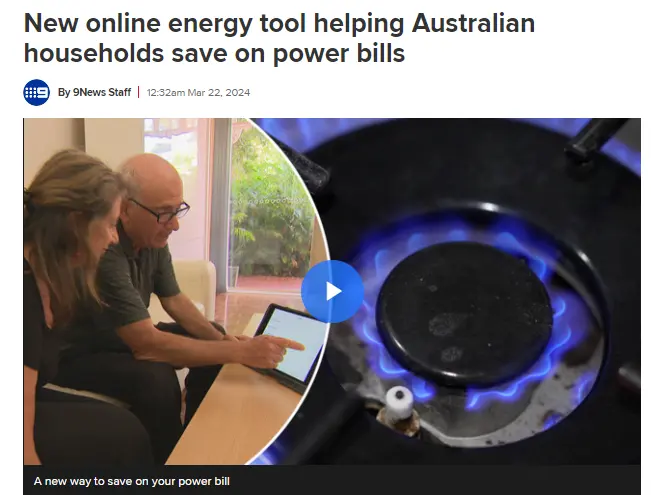
As covered by Channel 9 recently. A new online tool, which was launched last Thursday 21st March 2024 by AGL, one of our energy retailer partners, has been designed to help Australian households make the switch to energy-efficient solutions in a bid to help reduce their power bills. Using your most recent bills from any energy provider, the new Electrify Now online tool weighs up the costs and rebates you may be eligible to, in order to predict your savings and a payback period across a range of products, including solar, home batteries and electric vehicles. Topping the search list has been appliances that axe gas consumption. This follows the most recent report from AEMO, as the energy market operator, that has warned of gas shortages from 2028 in southern states, such as Victoria, as supplies fall faster than demand. As such, we congratulate AGL on its Electrify Now initiative and we look forward to supporting all Australian households in their bid to save on their energy bills. Why UNIfied? At UNIfied, we believe the transition to a smart energy future needs all hands on deck. We are here to ensure your clean, energy efficiency journey is as seamless as possible. You can look forward to paying less on your electricity bills when combining a UNIfied solar system with one of the solar batteries we have in our range, or by installing a heat pump hot water system. Contact UNIfied today or call 1300 817 847 to achieve greater savings in these precarious times, and start your journey of clean energy living!
How long do solar batteries last?
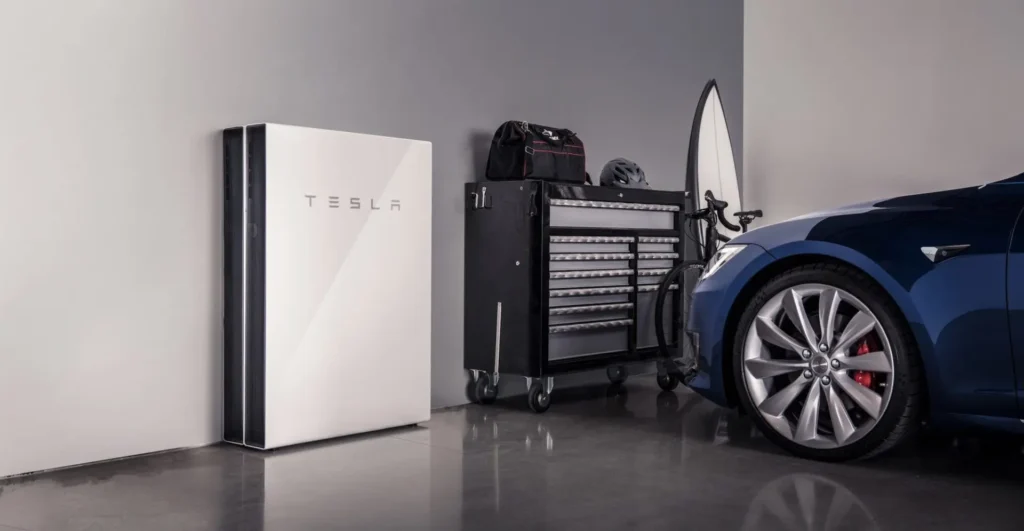
Essentially, solar battery technology allows you to store the electrical energy generated when your solar panels receive excess sun rays (than needed to power your activities) during the day. For many Australians thinking about installing a solar system or adding to their existing solar system set-up, the most common next question is: “How long do solar batteries last?”. Rightly so, this is because batteries are expensive, costing between $6,000 – $8,000 for a small storage system to be installed, and between $10,000 to $16,000 for much bigger systems. How long do solar batteries last? The useful life of a battery for solar installations is usually around 10 years, but its lifespan depends on a number of factors such as: The useful life of the battery The battery’s warranty How often you cycle the battery Useful life A battery useful life plummets if frequent deep discharges (> 50%) are made. Therefore, we highly encourage our customers to install enough capacity so that 50% of the discharge is rarely exceeded. Solar batteries, generally, degrade far more and faster than solar panels do. Solar battery warranties Most solar batteries we provide come with a 10-year warranty, which is an indication as to how long you should expect them to last. However, solar battery warranties are never exactly straightforward. That is, it’s usually the earlier of a number of conditions such as: Warrantied life expires – a solar battery’s warrantied life is the number of years the manufacturer guarantees the performance of the battery; usually 10 years from the date of installation. Cycle life allocation is exhausted – some battery manufacturers include the number of life cycles of the battery as a condition of the warranty. Even if it is not included in the warranty, it is a specification that you should lookout for, the number of life cycles can be an indicator as to the quality of the battery. Energy throughout capacity is reached – many solar battery warranties also place a limit on energy throughout. Energy throughout is the total amount of energy that passes through your battery, irrespective of the number of cycles, or to what level you discharge the battery. How often you cycle the battery? For a typical Australian household that consumes an average of 15-18 kWh of electricity per day, let us assume two-thirds of the electricity is consumed when the solar panels are not generating energy, i.e. at night when most of us are home from work and/or school, etc. This means a 10 kWh battery will almost have enough capacity to store your night time and early morning electricity needs. Hence in this scenario, your battery is likely to drain overnight. How long it takes to drain or fully discharge your battery will depend on the size of your battery, and how much and/or when you use your electricity. Don’t miss out! Access up to $8800 interest free loan from Solar Victoria to help you fund your battery purchase! The good news is there are some great incentives that will make installing a battery financially appealing and more affordable. The incentives are different for each state. For example, in Victoria, an interest free loan of up to $8,800 from Solar Victoria is up for grabs to fund your battery purchase. Why UNIfied? At UNIfied, we are here to ensure your clean, energy efficiency journey is as seamless as possible. You can look forward to paying less on your electricity bills when combining a UNIfied solar system with one of the solar batteries we have in our range. Contact UNIfied today or call 1300 817 847 to achieve greater savings in these precarious times, and start your journey of clean energy living!
Green gyms are saving up to 70% off in energy bills
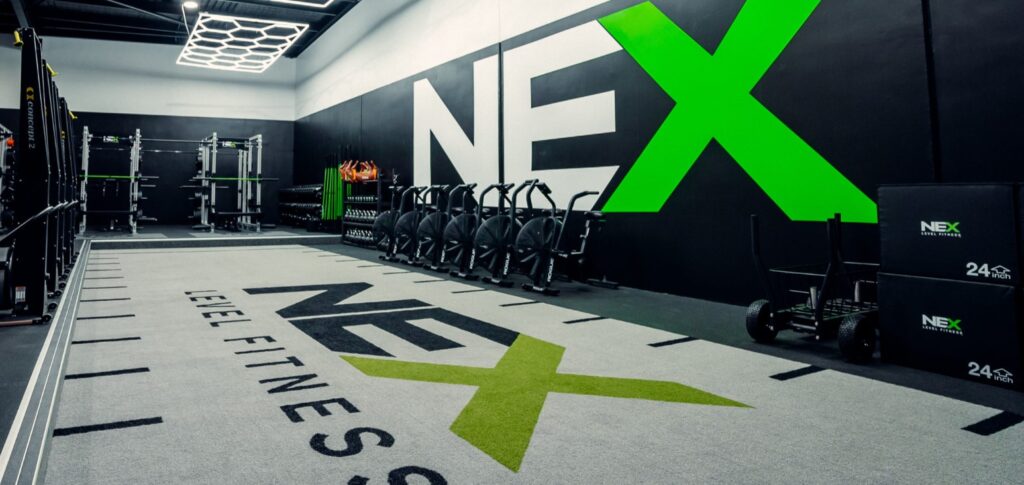
Forget treadmills, gyms are now running on sunshine! As the world goes eco-conscious, fitness centers are joining the green revolution by switching to solar power and enjoying up to 70% reduction off their energy bills. Health clubs, fitness studios, and gyms are swapping their carbon footprint for a clean solar one. This means less pollution, more power from the sun to boost your bottom line, and making workouts greener than ever. UNIfied is proud to be working with Nex Level Fitness in their bid to reduce operating costs from their utility bills and support a healthier, more sustainable future. Nex Level Fitness, Dural NSW Solar system size: 79.20 kW Annual energy savings: $41,800 Energy output kWh p.a.: 119,300 Join the movement and choose a gym that’s good for you and the planet! Look for facilities powered by solar energy and show your support for a cleaner and more sustainable future. Why UNIfied? At UNIfied, we are here to ensure your renewable energy transition is as efficient and seamless as possible. We are here to help you pay less for your electricity bills. If you’re interested, we can offer you an assessment by one of energy retailer partners and provide your business with an energy savings proposal with no charge or obligation to sign up. Contact UNIfied today or call 1300 817 847 to achieve greater savings in these precarious times, and start your journey of clean energy living!
Get ready and power through blackouts!
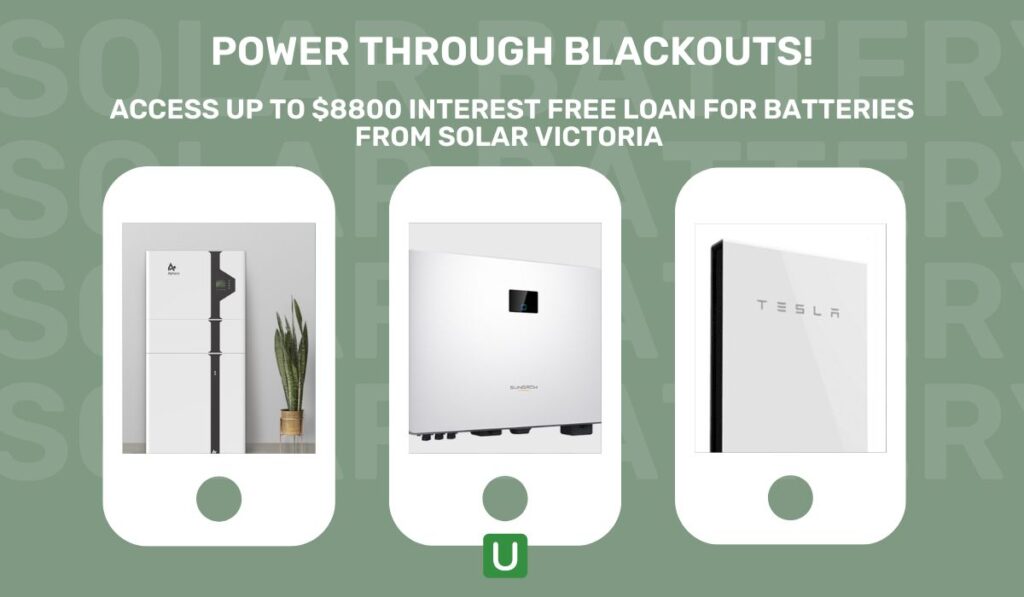
Half a million homes and businesses in Victoria were left without power in mid February following a major power outage caused by severe winds and massive storm, and many have been told their power won’t be restored until the following week. Read more in this the Age article. If you have installed solar panels on your rooftop, bravo. You’re ready for the next secret weapon: a solar battery! 🌞 Solar batteries hold the key to unlocking the full potential of renewable energy. As sunlight is converted into electricity by the solar panels, any surplus energy generated during sunny days can be captured and stored within these solar batteries for future use. When electricity is needed yet the sun isn’t shining, e.g. during night time, overcast days or in the event of a blackout, the stored energy is converted back into usable electricity and readily supplied to your home. Solar batteries can ensure a continuous power supply all year round. Furthermore, the decline in feed-in tariffs (FiT) is prompting more of our solar customers to seek independence from energy companies by installing a solar battery. Don’t miss out! Access up to $8800 interest free loan from Solar Victoria to help you fund your battery purchase! The good news is there are some great incentives that will make installing a battery financially appealing and more affordable. The incentives are different for each state. For example, in Victoria, an interest free loan of up to $8,800 from Solar Victoria is up for grabs to fund your battery purchase. Why UNIfied? At UNIfied, we are here to ensure your clean, energy efficiency journey is as seamless as possible. You can look forward to paying less on your electricity bills when combining a UNIfied solar system with one of the solar batteries we have in our range. Contact UNIfied today or call 1300 817 847 to achieve greater savings in these precarious times, and start your journey of clean energy living!
Heatwaves call for actions

While heatwaves are challenging to predict, they can significantly impact the cost of living during the summer months. Increased energy costs: During heatwaves, the demand for electricity rises as people use air conditioners and cooling systems more frequently. This heightened demand may lead to increased energy costs, impacting household utility bills. Higher cooling expenses: Individuals may need to spend more on cooling their homes, such as running air conditioners or fans for longer durations. This can contribute to higher electricity bills and overall living expenses. Water usage and costs: In some regions, heatwaves can lead to drought conditions, affecting water supplies. This may result in water use restrictions, potentially impacting landscaping and increasing water bills if water becomes scarcer. Impact on agriculture: Extended periods of extreme heat can adversely affect agriculture, leading to lower crop yields. This, in turn, can contribute to increased prices for certain food items, influencing the overall cost of living. Infrastructure strain: Heatwaves can strain infrastructure, potentially leading to increased maintenance costs for utilities and public services. This may indirectly affect the cost of living as these expenses are factored into service fees and taxes. Insurance costs: Increased frequency and severity of heatwaves may impact insurance costs, particularly for property and health insurance. Insurers may adjust premiums based on the rising risks associated with extreme weather events. While the specific impacts can vary based on the region and existing infrastructure, it’s important to consider these factors when assessing how heatwaves might influence the overall cost of living during the summer months. What can you do to be more proactive? Proactive measures such as energy-efficient home practices and climate-resilient infrastructure can help mitigate some of these effects. Solar PV: The widespread installation of rooftop solar PV systems plays a crucial role in decreasing overall electricity demand, especially during peak periods in summer heatwaves. However, it’s important to note that this may shift the peak demand to later in the day as sunlight decreases. Fortunately, the future adoption of batteries to store the excess power generated by rooftop solar is expected to counterbalance this shift, making the overall impact more favorable. Why UNIfied? At UNIfied, we are here to ensure your electrification journey is as efficient and seamless as possible. You can look forward to paying less on your electricity bills when combining a UNIfied solar system with one of the solar batteries we have in our range. Contact UNIfied today or call 1300 817 847 to achieve greater savings in these precarious times, and start your journey of clean energy living!
Planet and pocket-friendly heat pump hot water systems
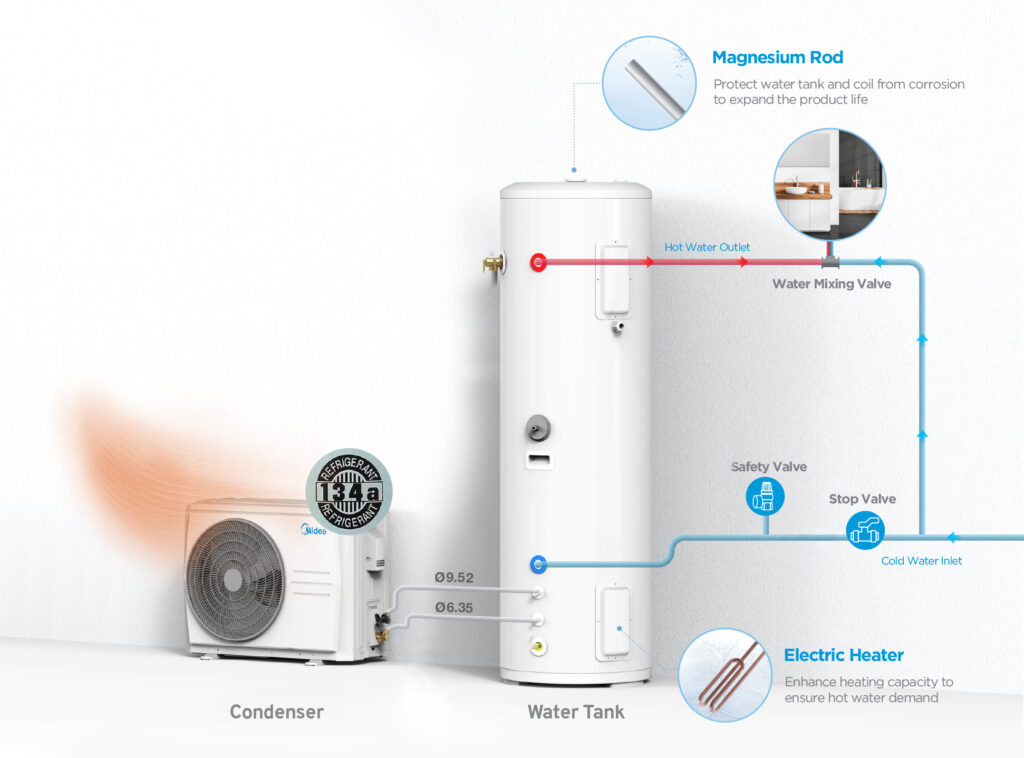
Heat pump hot water systems are gaining popularity and becoming the smart choice for efficient and eco-friendly water heating. Here are why they are planet and pocket-friendly! Energy efficiency: Beat traditional heaters with heat pumps that transfer heat from the air, cutting energy use for water heating. Lower your bills: Save big on power bills and reduce carbon emissions, especially with renewable energy like solar. Every dollar counts in today’s energy market. Versatility: Suitable for homes, businesses, and large-scale industries, in both warm and cold climates. Longer lifespan: Outlast traditional heaters, minimizing waste and saving money in the long run. Attractive rebates: Upgrade to heat pumps at a discounted or even FREE* rate, thanks to government incentives. Discover the promising future of heat pump hot water systems! Visit our Heat Pump Hot Water System page for a quote! Why choose UNIfied for your home or business? Trusted experts since 2012 with over 40,000 solar installations to date. Energy Performance Guarantee program for businesses. Highest ISO certifications for quality products and services. End-to-end project management for a seamless experience. Ongoing maintenance, monitoring, and support. Contact the UNIfied Energy Team or call 1300 817 847 if you would like to know more about how to upgrade to a heat pump hot water system. Experience the UNIfied difference and start your clean energy living! *Terms and conditions apply. Contact us for more information.
What makes a good solar inverter?
With more than 800 solar inverters featured on the Clean Energy Council approved product list, how can you narrow down your choices to discover the most suitable inverters for your home? Here are a few tips to help you, but first, let’s understand the role of an inverter and what to look for when choosing the best fit-for-purpose inverter for your home. What is a solar inverter? A solar inverter, roughly the size of a briefcase, transforms DC electricity from solar panels into usable AC electricity. Typically mounted on an outside wall or in a carport or shed, it should ideally be situated near your switchboard and shielded from the elements. While many prioritise solar panels, the solar inverter plays a crucial role in a solar power system’s effectiveness. Opting for a high-quality inverter yields long-term benefits, including increased power output, reduced complications, and enhanced safety. How do I select the right one for my home; what do I need to consider? To select the right solar inverter for your home, first, determine the type based on your needs. Options include: String inverters: Standard choice for unshaded roofs, offering a wide product selection and cost-effectiveness. For example, Solis string inverters are recommended for performance and value. Microinverters: Ideal for partially shaded roofs, although they are around 20% more expensive than string inverters. Power optimisers with string inverter: Cost-effective solution for partial shading, providing similar benefits to microinverters. Hybrid inverters: Suitable for integrating solar panels and a battery, potentially more cost-effective when installing both simultaneously. Some hybrids offer greater system expansion for future needs. Consider these options based on your roof conditions, shading, and plans for additional features like a battery or electric vehicle charging. Some important selection criteria Is it approved for use in Australia? The starting point is to check that the solar inverter is compliant with the relevant Australian Standard (AS4777). You can do this by checking the approved solar inverter product list on the Clean Energy Council website. It is eligible for government rebates? With generous government rebates for solar power systems worth thousands of dollars, you don’t want to miss out! You need to ensure the solar inverter (and solar panels) you choose for your home are eligible for all the applicable rebates. Make sure your inverter is on the Clean Energy Council approved product list and, if you are in Victoria, on the Solar Homes approved product list. Warranty – how good is it? A good solar inverter should have a comprehensive product warranty for at least 10 years covering parts and labour. Cheaper inverters often come with a five-year warranty – we recommend avoiding those ones! Some quality inverters like Fronius come with a 5+5 year warranty where the first five years are covered for parts and labour, but the second five years only covers you for parts. Ideally you want a solar inverter warranty that covers you for both – for as long as possible. Manufacturer – do they have a good Australian support office? A warranty is only as good as the company behind it. You want to make sure that the inverter manufacturer has an Australian office with a technical support team. Solis, for example, has a warehouse and support office in Cheltenham VIC so that if anything goes wrong, it can be easily replaced or supported. You’ll also want to make sure that the manufacturer has been in business for at least ten years, although ideally longer. How efficient is it? Solar inverters should have an efficiency rating of at least 95 per cent; the best ones will be rated at around 99 per cent efficiency. What this rating tells you is the percentage of DC electricity from your solar panels that will be converted to AC electricity for use in your home. The higher the efficiency, the more solar electricity you’ll be able to generate – which ultimately translates into bigger bill savings. Why UNIfied? At UNIfied, we are here to ensure your electrification journey is as efficient and seamless as possible. If you’d like advice on the best solar inverter for your home, contact UNIfied today or call 1300 817 847. We stock a wide range of the leading brand solar inverters and, as one of Australia’s largest solar companies, we have the in-house expertise to make sure you get the best system for your home and budget. You can look forward to paying less on your electricity bills when combining a UNIfied solar system with a top tier inverter such as Solis, Fronius, Sungrow, etc. Let us help you start your journey of clean energy living!
El Nino is expected to create a significant spike in electricity demand
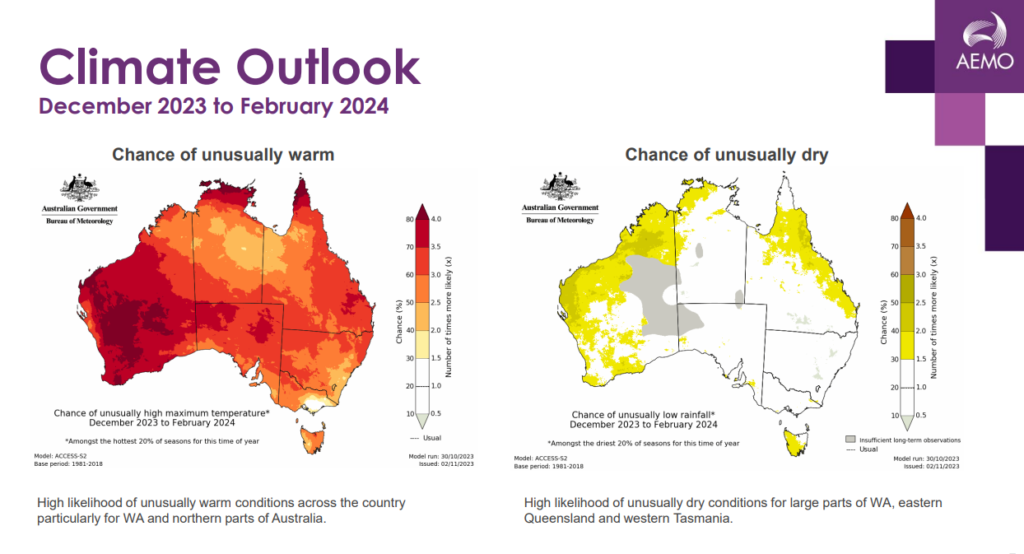
The Australian Energy Market Operator (AEMO) has warned that El Nino may lead to a significant spike in electricity demand, reaching its highest level in a decade this summer. It is expected to bring about heightened electricity consumption due to a combination of extreme heat, severe drought, and bushfires. In the 2023/24 Summer Readiness Overview, AEMO’s Executive General Manager Operations, Michael Gatt, expressed particular concern for Western and Eastern Australia. Gatt highlighted worries about potential droughts, storms and cyclones (for example, precisely that have occurred in northern and southern Queensland prior to Christmas 2023), fire hazards, and intense heat in these regions. Furthermore, the Bureau of Meteorology (BOM) anticipates abnormally dry and hot weather across a substantial part of the country, influenced by the El Nino phenomenon. AEMO is proactively implementing contingency plans to mitigate risks, including the pursuit of an unspecified amount of “short notice” reserve and emergency capacity. This is likely to involve demand management strategies, such as requesting major energy consumers like refineries and smelters to temporarily reduce their loads during peak demand. Forced outages are likely Forced outages are expected to occur when there is a convergence of high electricity demand and low solar or wind availability, as well as during scheduled generation and network outages, according to this AEMO report. As Victoria experienced a warmer spring in 2023, the high-risk fire season also started earlier than expected as a result of this El Nino. Increase your energy independence Becoming more energy independent involves a combination of strategies and considerations. Here are key factors to keep in mind: Renewable energy sources: Prioritise the use of renewable energy sources, such as solar, wind, and hydropower. Installing solar panels with UNIfied Energy on your property, for example, allows you to generate your own electricity, reducing reliance on the grid. Energy efficiency: Improve the energy efficiency of your home or business by investing in energy-efficient appliances, lighting, insulation, and windows. Conduct energy audits to identify areas for improvement and implement energy-saving measures. Battery storage: Consider incorporating energy storage solutions, such as batteries, to store excess energy generated by renewable sources such as solar. This enables you to use stored energy during periods of low renewable generation or during power outages. Why UNIfied? At UNIfied, we are here to ensure your electrification journey is as efficient and seamless as possible. You can look forward to paying less on your electricity bills when combining a UNIfied solar system with one of the solar batteries we have in our range. We can also take care of your EV charger needs and energy-efficient hot water system. Contact UNIfied today or call 1300 817 847 to achieve greater savings in these precarious times, and start your journey of clean energy living!